
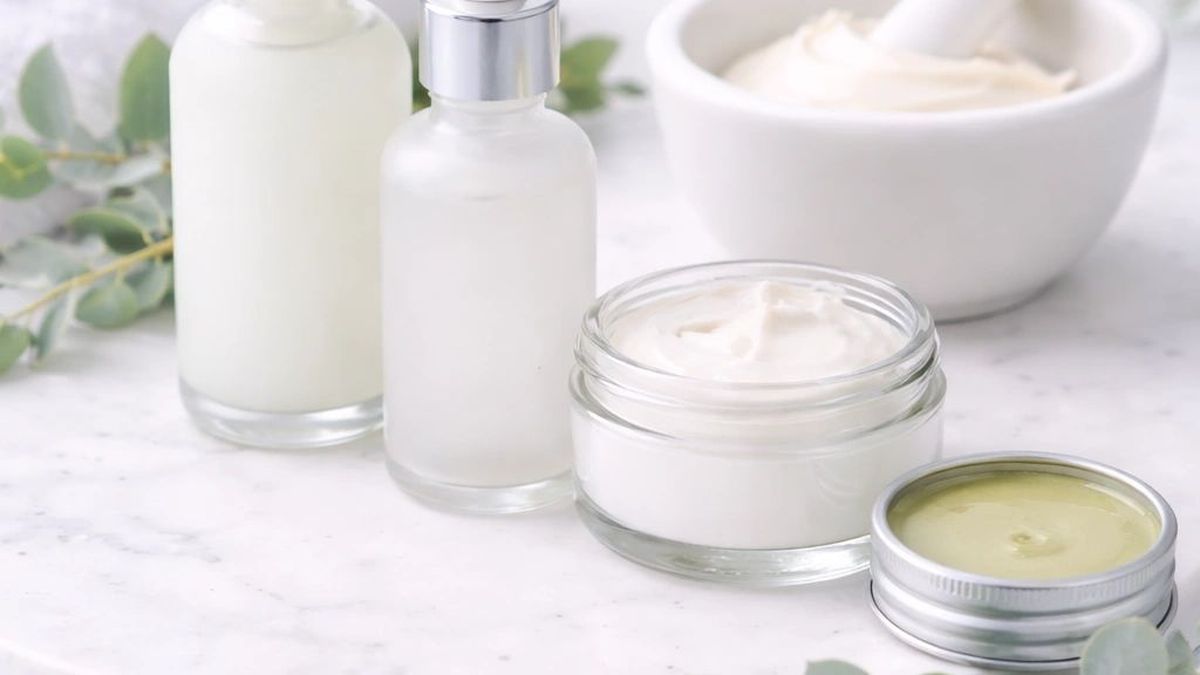
Walk down a pharmacy aisle and you'll see dozens of skin products. So why would a provider send a prescription to a compounding pharmacy instead?
Strength set by your provider
A tretinoin strength that suits one person may be too strong for another. Compounding lets your provider choose the exact percentage, and adjust it as your skin adapts.
Several steps become one
Many skin plans call for more than one ingredient: a retinoid at night, something for redness, something for pigment. A compounded cream can combine compatible ingredients into one application.
The base matters too
The cream, gel or solution that carries the medication affects how it feels and how well you tolerate it. We can prepare formulas without fragrance, dyes or common irritants such as propylene glycol when your provider requests it.
Common examples
- Hydroquinone Combination Gel
- Hydroquinone-Free Brightening Cream
- Face Creams in ExoBlue™ Base
- Acne Combination Cream
- Topical Spironolactone Cream
- Rosacea Combination Cream
- Eczema & Psoriasis Creams
- Topical Minoxidil & Finasteride
Every compounded prescription is prepared for one patient from a valid prescription. Compounded medications are not FDA approved, and your provider decides what's right for your skin.
This article is educational and is not medical advice. Talk with your healthcare provider about your treatment.